


The 2026 Serie A season has emerged as one of the most fiercely contested Italian campaigns in recent memory. The race for Champions League qualification is exceptionally tight, with numerous clubs still vying for European berths, and the relegation struggle sees positions shifting almost weekly.
This season is particularly noteworthy because nearly every segment of the league table remains active deep into the calendar. Few clubs have definitively secured their season objectives early on, maintaining high stakes and pressure across the entire league.
Inter Crowned Serie A Champions
Inter Milan ultimately triumphed in the competition for the top spot, a battle that involved multiple clubs during the initial phase of the season. Several factors contributed to the close standings in the first half of the campaign, including inconsistent away performances, demanding fixture schedules, injuries during crucial months, and a generally strong defensive organization across the league. Unlike some previous seasons, no single team managed a consistent dominant run from start to finish, but Inter proved strongest in the latter months.
Defensive Football Continues to Shape Serie A
Italian football remains characterized by its emphasis on tactical discipline and defensive structure. Most top clubs rely heavily on compact defensive lines, creating fewer open spaces, and midfield pressure that slows down the attacking tempo. Structured build-up play leads to controlled possession, while counterattacking systems ensure efficient transitions. Consequently, many matches remain balanced for extended periods, with a single mistake often proving decisive.

Squad Depth Becomes Crucial
The modern football calendar places significant physical demands on teams. Clubs competing for titles and European qualification must navigate a demanding schedule that includes domestic league matches, cup competitions, European fixtures, and international travel for players. Teams possessing greater squad depth and rotation options are better equipped to manage fatigue in the latter stages of the season. Several clubs have lost momentum due to injuries exposing weaknesses in their benches.
Home Form Continues to Influence Standings
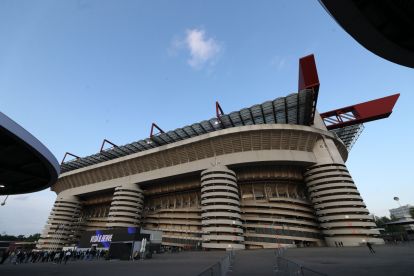
Home advantage remains a significant factor in Serie A. Some clubs exhibit markedly better performances at home due to crowd support, a familiar tactical rhythm, reduced travel demands, and increased defensive confidence. This season has particularly highlighted the difficulty of away matches across Italy, with even lower-table teams frequently securing points against stronger opponents on their home turf.
European Qualification Remains Highly Competitive
The competition for Champions League and Europa League spots is nearly as intense as the title race itself, with several clubs separated by only a few points. The primary objectives are Champions League for financial stability, Europa League for international exposure, and the Conference League for squad development. Achieving a top-six finish is crucial for long-term planning. A single strong or weak month can significantly alter a team’s league position.
Tactical Flexibility Gains Importance
Managers are increasingly adapting their strategies based on opponents, with many clubs regularly switching between formations like a back-three, high-pressure systems, compact counterattacks, and possession-focused setups. Rigid tactical approaches often falter against adaptable teams. This flexibility has become a defining characteristic of modern Serie A.
Younger Players Continue to Grow in Importance
Several emerging talents have played significant roles throughout the 2026 season. Clubs are increasingly entrusting younger players due to financial constraints, the athletic intensity of the game, inflation in the transfer market, and long-term development strategies. Many young players now make direct contributions in high-pressure matches rather than waiting years for opportunities.
Financial Pressure Continues to Affect Many Clubs
Economic stability profoundly influences league performance. Key financial factors include wage control, which impacts squad depth; transfer restrictions, limiting reinforcements; stadium revenue, affecting budget flexibility; and European qualification, which provides increased resources. Clubs that qualify for European competitions gain substantial advantages for subsequent seasons.
Relegation Battles Remain Unpredictable
The lower reaches of the league table are in constant flux. Several struggling teams are fiercely battling to avoid relegation through defensive discipline, coaching changes, opportune winter signings, and strong home performances. A single victory can propel a club several positions higher due to the extremely compressed standings.
Coaching Changes Continue to Shape Results
Serie A clubs are quick to react to poor form, and this season has already seen multiple managerial changes. Common reasons for dismissals include defensive instability, a lack of goals, dressing room tensions, and poor away results. Some coaching changes have led to immediate performance improvements, while others have resulted in greater inconsistency.
Goal Scoring Remains Uneven Across the League
Several clubs struggle offensively despite strong organizational structures. The primary attacking issues involve low finishing efficiency leading to dropped points, predictable build-up play resulting in fewer clear chances, overreliance on a single striker reducing attacking variety, and slow transitions limiting counterattacking opportunities. Defensive structures may offer temporary compensation, but scoring problems often resurface.
Mid-Table Clubs Continue to Influence the Title Race
A significant feature of Serie A 2026 is the presence of competitive mid-table teams. These clubs frequently take points from title contenders, control possession effectively, defend aggressively, and pose tactical challenges to stronger sides. This balance prevents the league from becoming predictable, and top teams rarely secure easy victories.
VAR Discussions Remain Constant
Video Assistant Referee (VAR) technology continues to spark debate weekly. Common complaints revolve around handball interpretations, offside margins, penalty decisions, and inconsistent review timing. Fans and managers frequently question the consistency of decisions, especially in crucial matches, though VAR remains central to league officiating.
Italian Clubs Continue to Emphasize Tactical Preparation
Serie A maintains a stronger focus on tactical detail compared to many other leagues. Managers dedicate significant time to preparing defensive spacing to reduce attacking gaps, pressing triggers for faster ball recovery, set-piece organization for match-winning situations, and transition defense to prevent counterattacks. This tactical culture remains a core part of Italian football’s identity.
Stadium Atmosphere Continues to Influence Performance
Numerous clubs heavily rely on the intensity of their home crowds. Supporters often influence matches through continuous pressure, emotional momentum, strong defensive encouragement, and creating an aggressive atmosphere during key moments. This factor is particularly important in relegation battles and title deciders.
Physical Intensity Has Increased
Modern Serie A appears faster and more physically demanding than previous eras. Current teams emphasize athletic pressing, rapid recovery speeds, effective defensive transitions, and constant off-the-ball movement. While tactical structure remains valued, physical conditioning is now equally crucial.
European Schedules Continue to Create Problems
Clubs participating in European competitions often face domestic challenges afterward. Common issues include travel fatigue impacting league performances, squad rotation potentially reducing team chemistry, injury accumulation leading to inconsistency, and mental exhaustion contributing to tactical errors. Several teams have lost league momentum due to overloaded schedules.
The Final Weeks May Change Everything
The league standings remain unstable as the season approaches its conclusion. Key factors include injury management, psychological pressure, fixture difficulty, and squad depth. Even leading teams face challenging fixtures against relegation-threatened opponents fighting for survival. This unpredictability ensures the league remains compelling until the very end.
Serie A Remains Tactically Distinctive
While other leagues increasingly favor constant attacking football, Serie A continues to prioritize control and structure. This season highlights tactical adaptability, defensive discipline, strategic game management, and meticulous match-by-match preparation. These qualities continue to attract football fans who appreciate detailed tactical battles.
Conclusion
Serie A 2026 remains a highly competitive league from top to bottom. The title race lacks a clear dominant force, the battle for European qualification is crowded, and relegation pressure affects several clubs heading into the final weeks. Tactical organization, squad depth, defensive discipline, and physical consistency are all critical in shaping results across the table. This season, the margins between success and disappointment appear finer than usual. The closing stages of the campaign have the potential for significant shifts in the standings, underscoring Serie A’s reputation as one of Europe’s most unpredictable leagues.