

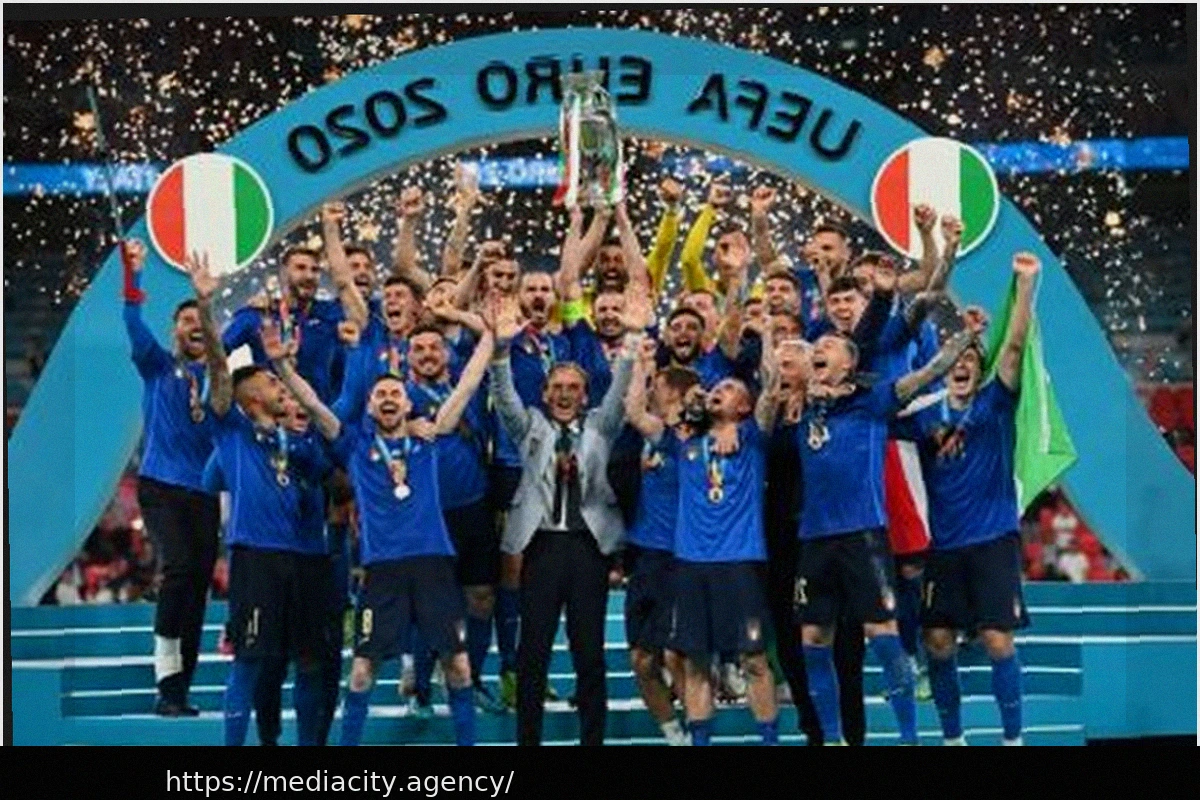
Italy’s failure to qualify for the 2026 World Cup marks a somber moment in the nation’s sporting history. Following their elimination on penalties to Bosnia and Herzegovina in the playoffs, the Azzurri will now miss their third consecutive World Cup, a stark decline for a nation with four tournament victories.
For a country renowned for its footballing prowess, this continued absence highlights systemic problems requiring urgent attention for the Azzurri to rebound.
Addressing Structural Deficiencies is Crucial
Italy’s recent struggles stem from long-standing issues, not just a single poor campaign. There’s been a persistent failure to modernize systems at all levels, from grassroots development to the elite, a contrast to the advancements made by other leading nations.
While countries like France and Germany are cultivating young, technically adept, and tactically versatile players, Italy seems to be adhering to outdated methodologies. Despite proposals from prominent figures in Italian football, development plans have lacked effective implementation.
The Need for a Defined Footballing Identity
A significant challenge for Italy in recent years has been the lack of a consistent playing style. While the Euro 2020 triumph was characterized by a possession-based, high-pressing approach, this identity has since wavered.
Frequent changes in management have also led to shifts in tactical philosophy. This instability has created uncertainty among players, resulting in inconsistent performances.
Moving forward, Italy must commit to a clear vision. A consistent approach will enable players to develop within a defined system.
Improving Decision-Making in Critical Moments
Italy’s recent qualification failure was marred by poor decision-making. Subpar performances in earlier matches forced them into the uncertainty of the playoffs.
Top international teams do not leave qualification to chance. The Azzurri must reassert their status as a leading footballing nation and take control of their destiny.
This includes enhancing squad management, making better in-game decisions, and capitalizing on scoring opportunities—areas that have repeatedly proven costly.
Leadership Changes Can Ignite a Revival
The fallout from missing the World Cup has already led to significant changes, including resignations at various levels and the departure of manager Gennaro Gattuso.
While instability can be detrimental, this juncture presents an opportunity. A new leadership team can approach the situation with fresh perspectives, introducing innovative ideas, modern strategies, and a long-term vision.
Reconnecting with Talent and Supporters
Despite recent setbacks, Italy boasts talented players competing in top European leagues, such as Sandro Tonali at Newcastle United. However, criticism persists regarding how this talent is utilized and developed at the international level.
There’s also a need to rebuild trust with the supporters. Confidence is at an all-time low, and Italy’s absence from major tournaments, impacting even their presence in betting markets, will take time to overcome.
Conclusion
Italy’s exclusion from another World Cup serves as a critical wake-up call. While this situation should have been addressed sooner, the latest setback necessitates immediate change. The path to recovery will be arduous, but by implementing the right measures, the Azzurri can once again ascend.