Collina: World Cup Final Referee Selection Challenging; Ball Didn't Hit Cable in Norway vs. England
Pierluigi Collina, FIFA's Chief Refereeing Officer, acknowledged the difficulty in choosing the referee for the World Cup Final. He also firmly stated his disbelief that a ball could have touched a cable during the Norway vs. England match, emphasizing the clarity provided by technology.
Collina shared his insights in an interview with Gazzetta dello Sport, coinciding with the 2026 World Cup Final between Spain and Argentina. The former top Italian referee, who himself officiated the 2002 World Cup Final, highlighted the evolution of football and officiating.
Collina: Technology Addresses 'Paradoxical Situations' in Refereeing
Slavko Vinčić was appointed as the referee for the World Cup Final. Collina expressed pride in Vinčić's journey and the dedication of all the referees involved, noting that the selection process was not straightforward. Vinčić reportedly became emotional upon learning of his appointment, a reaction Collina understood from his own experiences.
Collina explained the necessity of technology like VAR, stating it was introduced to resolve situations where spectators in the stadium could see events clearly in real-time, but the decision-maker could not. He described the choice as either creating an isolated environment for referees or equipping them with the same technological advantages available to others. He also mentioned that ideally, millions invested in technology would be "thrown away" if referees perform so well that it's not needed.
Comparing modern football to his playing and refereeing days, Collina noted the increased pace and different player dynamics, with technology playing a crucial role. He recalled a time when obtaining video footage of teams was a complex task, contrasting it with today's advanced tools like FIFA AI Pro, developed with Lenovo, which aids in match preparation.
A significant controversy in the 2026 World Cup involved a quarter-final match between England and Norway, where England's equalizer appeared to be influenced by the ball hitting a camera cable and altering its course. Collina strongly refuted these claims, explaining that data analysis from such incidents shows a clear peak on a graph when a ball is impacted by a player or object. In the Norway vs. England case, the graph remained flat from the moment the goalkeeper released the ball until it was controlled by another player, with only minor fluctuations attributed to air resistance and stable camera footage. These technological tools, he asserted, clarify such events.
The ball sensor also played a role in Portugal's victory over Croatia, where a late Croatian equalizer was disallowed for offside. Collina reiterated that the graph clearly indicated the point of contact when the ball touched the Croatian attacker's head, followed by a flat line. He clarified that since the system doesn't detect contact with hair, the peak signifies contact with the head.
Collina concluded by emphasizing that VAR and technology enhance the game and its emotional impact rather than diminish them. He argued that while there might be brief waits for offside decisions, the subsequent celebrations, whether for a confirmed goal or a disallowed one, are based on accurate calls. He contrasted this with historical controversies, such as the debate surrounding whether the ball crossed the line in England's 1966 World Cup final goal, suggesting that correct decisions, even if debated momentarily, lead to more satisfying emotional responses than protracted, unresolved controversies.
Fresh materials — Football news
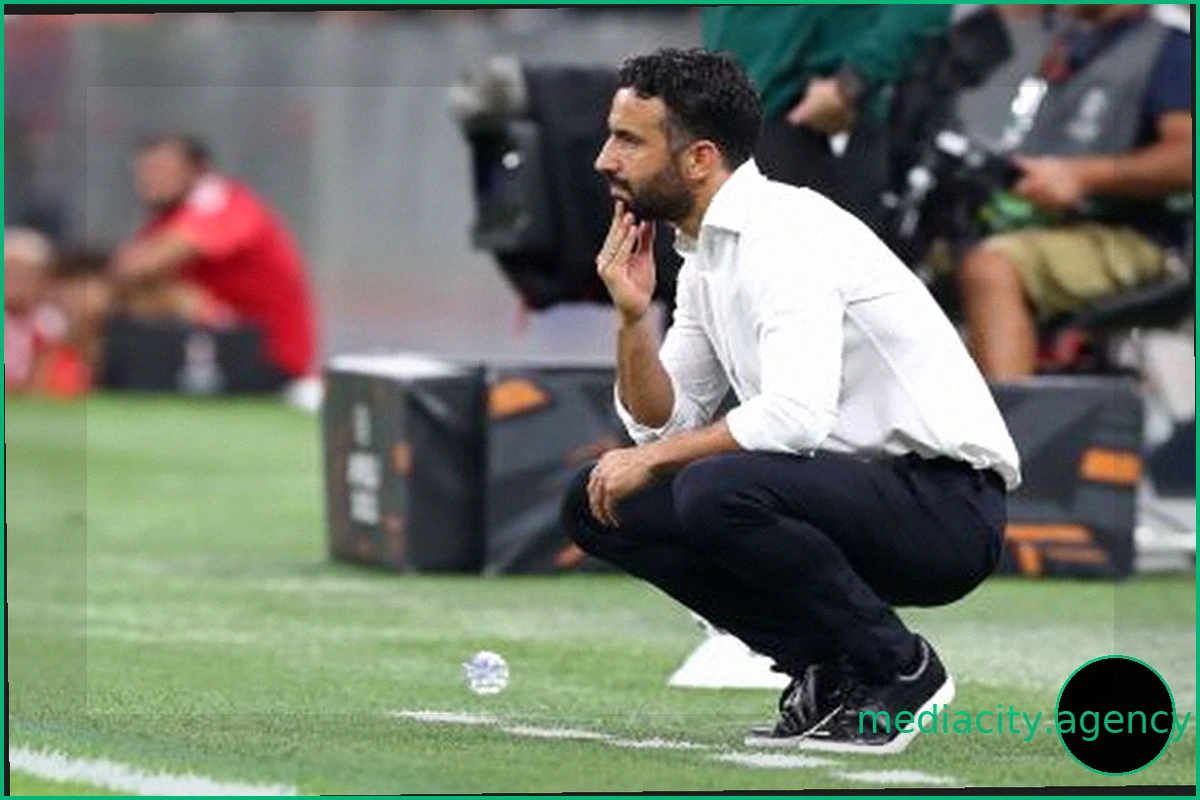
Amorim: Milan lacked presence in first half, ready to adjust tactics
Ruben Amorim acknowledged Milan's struggles in the first half of their Europa League match against Benfica, which ended in a 2-0 defeat. He suggested a potential mental hurdle for the team and expressed his willingness to modify his tactical approach. Amorim had previously stated his intent
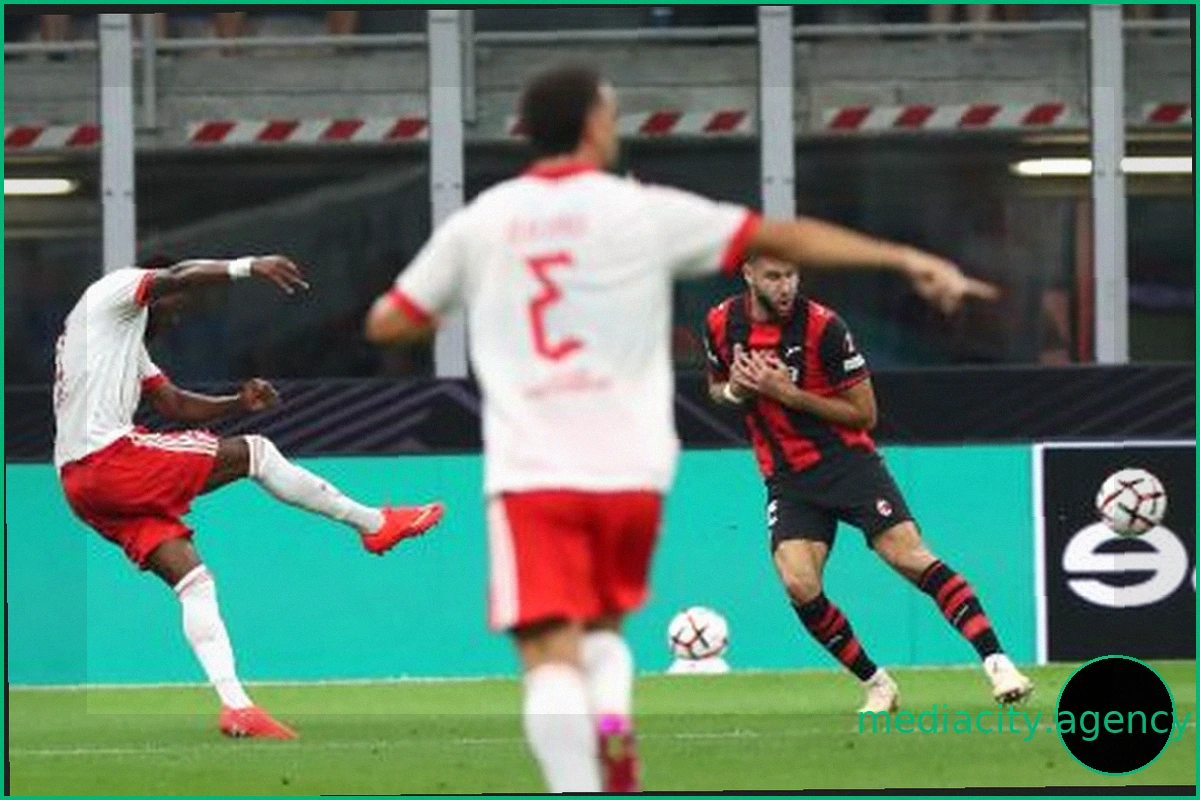
Saelemaekers: Milan Must Work Harder After Benfica Loss
Alexis Saelemaekers underscored that Milan ‘have no excuse’ following the 2-0 defeat to Benfica in the Europa League. He stressed the necessity to ‘work harder and ensure we don’t repeat these errors.’ The Rossoneri are facing difficulties after their Europa League opener ended in a 2-0 hom
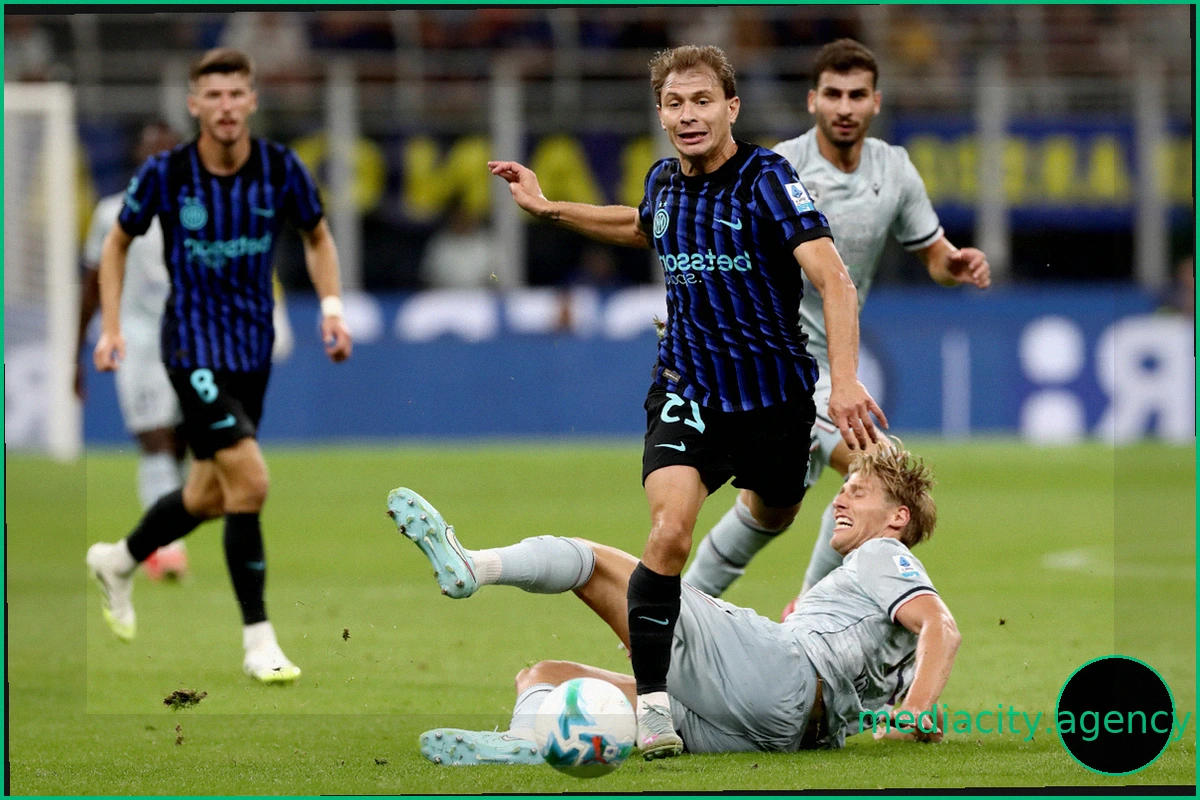
Why Calhanoglu Missed Inter's Squad for Udinese Clash
Inter is set to face Udinese in Serie A on Monday evening. However, Hakan Calhanoglu has been excluded from the matchday squad due to muscle fatigue, according to pre-match reports. This exclusion comes as Inter prepares for one of three Serie A fixtures scheduled for Monday evening, alongside To
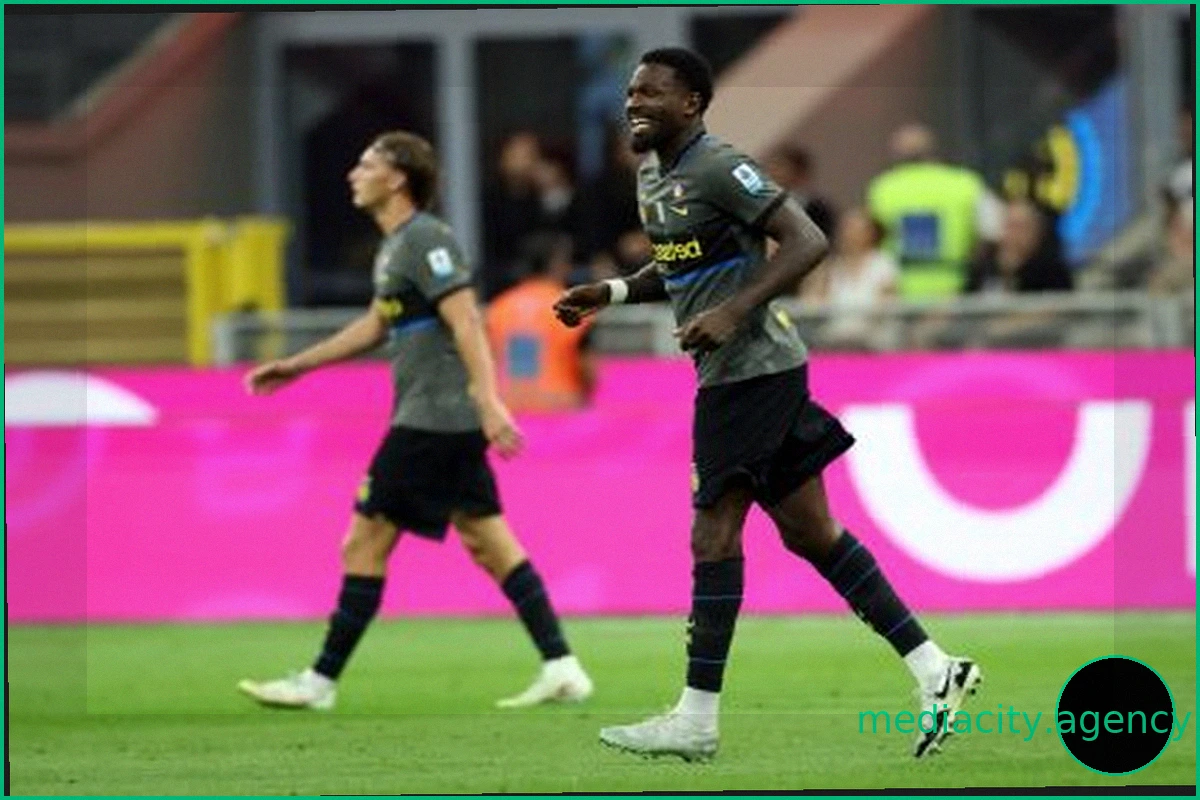
Thuram Praises Inter's Resilience and Bonny's Impact After Udinese Thriller
Marcus Thuram stated that Inter's comeback wins demonstrate their capacity as a team to "know how to react." He also acknowledged the valuable contributions of substitutes like Ange-Yoan Bonny following their 5-3 victory against Udinese. The match echoed Inter's past reputation for dramat
Italian Football Breaks Scoring Drought: No 0-0 Draws in First 40 Serie A & B Games
Italian football is defying stereotypes of defensive Catenaccio. For the first time ever, the opening four rounds of Serie A and Serie B have featured no 0-0 draws. Summer changes aimed to boost Calcio's entertainment value and pace, aligning it with European competition. A key factor is a new re
Gasperini: Roma's Improvement Evident, Balerdi's Potential, and the Upcoming Inter Challenge
Gian Piero Gasperini acknowledged the contributions of Donyell Malen and Paulo Dybala, noting their ability to create opportunities. He also praised Leonardo Balerdi, drawing a comparison to Franco Baresi in terms of his defensive interpretation and involvement in play, while stressing that suc