

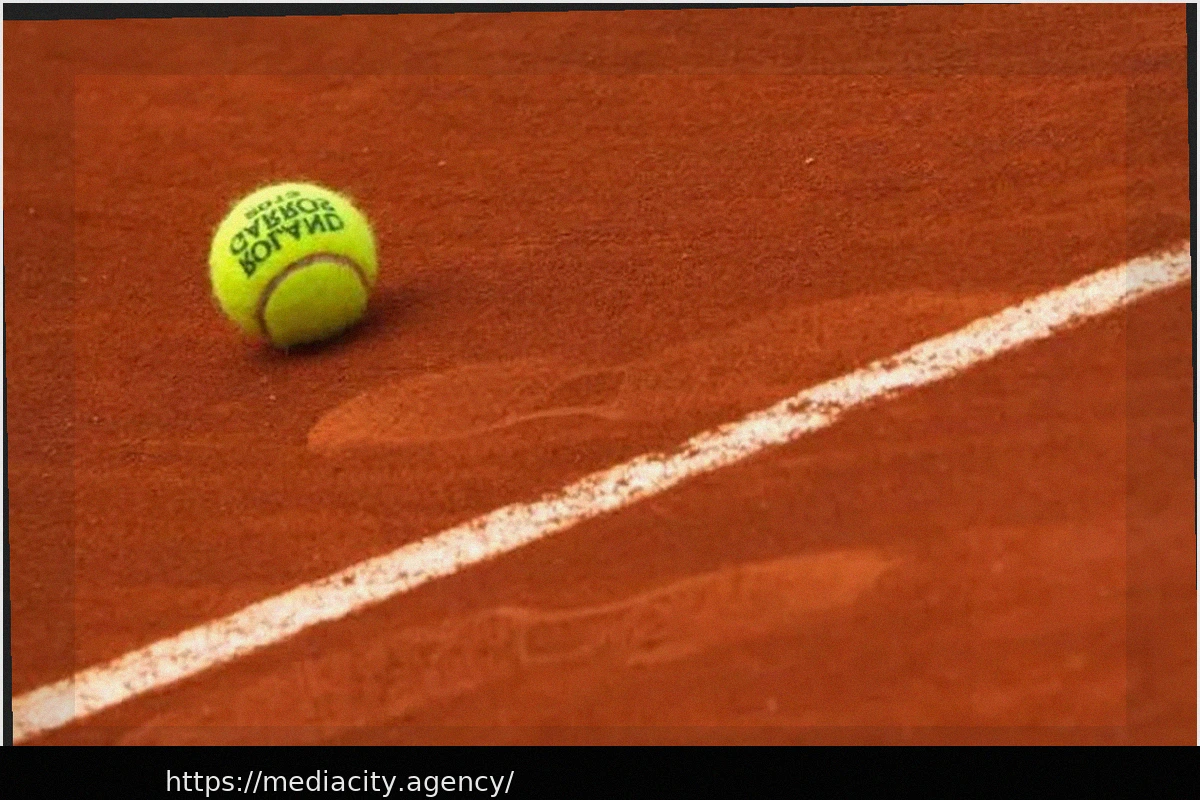
The question of whether clay-court tennis is boring, like many debates in the sport, largely depends on individual perspective. It’s not inherently dull or objectively exhilarating; rather, its unique characteristics foster a distinctive playing style that resonates differently with various fans. With the Monte Carlo Masters kicking off the clay season, it’s an opportune moment to explore both sides of this enduring argument before arriving at an anticipated conclusion.
The Debate Around Clay Courts
Why Some Find Clay Tennis Tedious
Critics often point to the inherently slow nature of clay courts. The surface dampens ball speed, favoring defensive play and extending rallies significantly—a typical four-shot exchange on a hard court might become a grueling fifteen-shot battle. This leads to longer points, games, and entire matches, with even early-round Grand Slam contests sometimes exceeding four hours. For those who prefer fast-paced, aggressive tennis, the clay court experience can demand considerable patience.
Another frequent complaint is the historical predictability of clay tournaments. This surface has traditionally been dominated by a select few specialists. For example, Rafael Nadal’s unprecedented success on clay, particularly his fourteen French Open titles, often turned victories into foregone conclusions rather than suspenseful sporting events. Even with Nadal’s eventual retirement, certain player archetypes continue to excel, leading to a perceived cyclical pattern of winners that can feel less engaging to neutral spectators compared to other surfaces.
Furthermore, the rigorous physical demands of clay tennis contribute to player attrition. The extensive spring season, combined with the punishing nature of the surface, often results in a higher incidence of retirements, withdrawals, and fatigue-related issues. This can disrupt tournament draws and diminish the excitement for fans who prefer uninterrupted competitive narratives.
Why Clay-Court Tennis is Captivating
Conversely, proponents argue that the extended rallies on clay are nothing short of extraordinary. They highlight the immense physical endurance and tactical ingenuity necessary to win a grueling thirty-shot exchange. Players must expertly read spin, adapt their footwork, strategically reposition themselves across the baseline, mask their intentions, and execute split-second decisions—all simultaneously. Such rally-by-rally narratives, like Alcaraz’s remarkable comeback against Musetti in last year’s Monte Carlo final, become compelling stories due to the demanding structure inherent to clay. The longer the point, the richer the narrative.
Moreover, clay courts uniquely reward a diverse skill set. Unlike hard courts, this surface emphasizes a broad repertoire of shots, including heavy topspin, delicate slices, cunning drop shots, effective kick serves, and powerful inside-out forehands. It challenges one-dimensional players while elevating those with a comprehensive game, distinguishing mere grinders from true artistic strategists. At its finest, clay-court tennis resembles a chess match in its strategic depth, showcasing the remarkable intelligence of players like Carlos Alcaraz, Jannik Sinner adapting to conditions, or Stefanos Tsitsipas dominating Monte Carlo.
Despite criticisms of predictability, clay has also been the stage for some of tennis’s most memorable upsets and emotionally charged storylines. The surface can be both a protector and a betrayer; the very high bounce that benefits a baseliner can also lead to their downfall. Instances like Fabio Fognini winning Monte Carlo at 31 or Novak Djokovic’s unexpected early exit last year underscore that the clay season, at its best, not only crowns champions but profoundly reveals character.
The Verdict: A Matter of Preference
In conclusion, the appeal of clay-court tennis remains subjective. It’s certainly not designed for every fan, and there’s no fault in finding its unique demands challenging compared to the faster-paced grass of Wimbledon or the hard courts of Melbourne and New York. However, to dismiss the clay season entirely is to overlook a period on the tennis calendar that consistently delivers some of the most tactically profound and physically demanding matches of the year. As Monte Carlo ushers in the clay season amidst breathtaking scenery, the debate over its merits is, at the very least, a valuable one to engage with, regardless of whether you’re a devoted fan or a skeptical observer.