

The Scuderia Ferrari arrives in Japan for the third round of the 2026 World Championship, a weekend anticipated to be crucial in defining the true pecking order of Formula 1’s new technical era. Following the initial races of the season, the Prancing Horse seeks to consolidate its position on one of the calendar’s most demanding tracks, Suzuka, where aerodynamic efficiency and optimal management of the new Power Unit will be key differentiators. The valuable insights gathered from the Shanghai race are now poised to be leveraged by the Maranello team.
Team Principal Frédéric Vasseur commented on the lead-up to the Japanese weekend: “The Chinese Grand Prix offered us another valuable learning experience. We confirmed some of the positive aspects seen in Melbourne, especially in race conditions, but simultaneously identified areas where we still need to improve. The overall level of competitiveness is very high, and even small details can significantly impact the result.” Vasseur views Suzuka as “another important opportunity to better understand the SF-26 and continue our progress. We must remain focused on ourselves, work on the entire package, and ensure we bring everything together throughout the weekend.”
Technical Analysis: New Asphalt and Energy Management
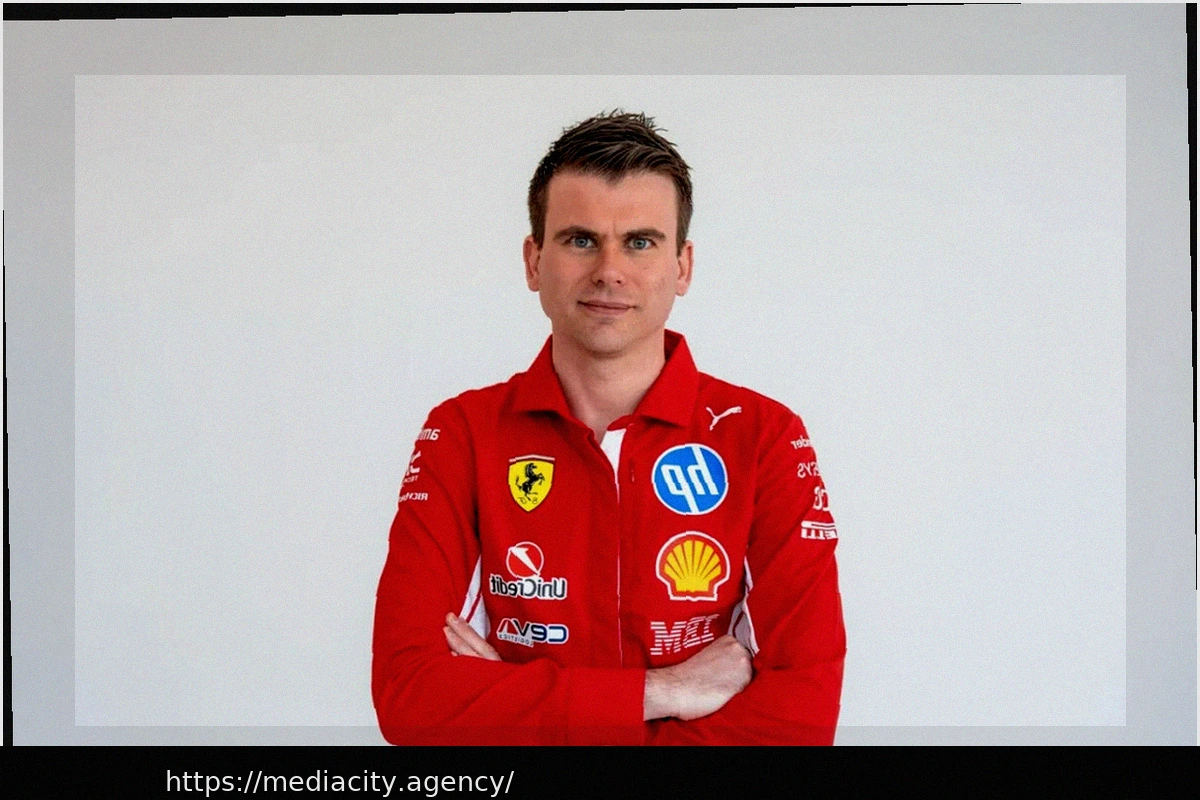
From a technical standpoint, Suzuka remains an iconic circuit, renowned for its high-speed sections like 130R and the challenging S-curves, which truly highlight driving skill. Marco Gasparet, Ferrari’s Sporting Specialist, elaborated on the specific challenges awaiting the SF-26: “The Suzuka circuit is undoubtedly one of the most fascinating and technically demanding on the entire calendar. Its uniqueness stems from the combination of slow corners, such as the famous hairpin, and very high-speed sections. Added to this is the complex sequence of turns from 3 to 6, which demands high precision and excellent balance from the car.”
A significant factor will be the recent resurfacing of parts of the track. “In preparation for the Grand Prix, the circuit has been re-asphalted in turns 7 to 17, thus completing the work initiated in the previous season,” Gasparet explained. However, the true novelty for 2026 concerns the DRS zone configuration: “This will be the first of six GPs to feature only two Straight Mode activation zones. From an energy management perspective, Suzuka will pose a significant challenge for all teams, who will need to find the right compromise to maximize both performance and efficiency with the new generation cars.”
Ferrari’s Plan for the Post-Japan Break
Following the Japanese Grand Prix, the calendar will feature an extended break due to forced modifications, a period Ferrari intends to utilize intensively. “After this race, we will have a month at Maranello, which will be crucial for analyzing the data collected from the first three races and continuing to develop the SF-26 in the correct direction,” Vasseur confirmed.
Gasparet added details on the plan for this phase: “The forced calendar change required a readjustment of our planning, but F1 never stops. April becomes a valuable opportunity to optimize the work done so far. During these weeks, our focus will primarily be on in-depth data analysis and the development of simulations, essential tools for best preparing for subsequent events in collaboration with our drivers. Concurrently, pit stop training will continue consistently, a key aspect for maintaining and improving the positive trend demonstrated thus far.”