

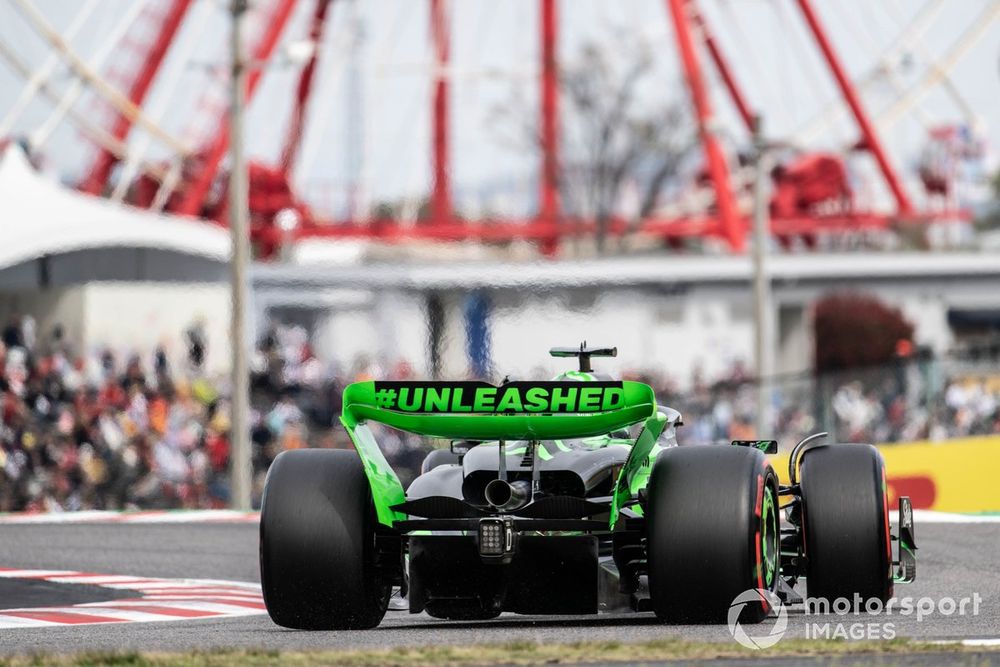
Formula 1 has confirmed massive regulation changes set to take effect for the 2026 season. Central to this overhaul is the introduction of `Overtake Mode,` which will completely replace the Drag Reduction System (DRS).
The new technical regulations, described by veteran F1 commentator Martin Brundle as “the biggest ever” shakeup, will fundamentally change car design and racing dynamics. A key feature is Active Aerodynamics, which includes movable front and rear wings that drivers can adjust on every lap during a race.
Boost Mode and Hybrid Power
Drivers will also have a potent new tool: `Boost Mode.` This system is comparable to the KERS mechanism utilized in F1 from 2009 to 2013. By pressing a button, drivers can deploy maximum combined power from both the internal combustion engine and the battery. Notably, the new power units will generate 50 percent of their output electrically, emphasizing the hybrid nature of the 2026 cars.
F1 suggests these innovations place “more power in their hands than ever before,” forcing drivers to master complex energy management strategies to extract optimal lap time in qualifying and crucial moments during wheel-to-wheel combat.
How Overtake Mode Works
What was DRS? The Drag Reduction System (DRS), introduced in 2011, was an overtaking aid allowing the rear wing to open (reducing drag and increasing speed) if a driver was within one second of the car ahead at a designated detection point.
The replacement, Overtake Mode, maintains the core requirement of the DRS: a driver must be within one second of the car in front when passing the detection point to activate the feature. However, the mechanism of power deployment is more flexible. The additional power can be used all at once or strategically spread out over the course of the lap. Formula 1 is expected to finalize the precise duration of Overtake Mode availability per lap in forthcoming announcements.
A New Era of Strategic Overtaking
The combined effect of Overtake Mode and Boost Mode, alongside new chassis designs engineered to promote closer following, is expected to significantly enhance the spectacle of racing. Mercedes driver George Russell shared his anticipation, noting that the regulations will foster overtakes in unexpected places.
Russell explained the strategic advantage: “If a driver’s at the bottom of their battery, and the one behind has more battery, in a given section of the track, they can suddenly jump past them at a corner in the past where there would never be an overtake. I think the 2026 regs will offer better racing.”
 Rupert Hollis